How Do You Know When a Composite Isn’t the Right Fit?
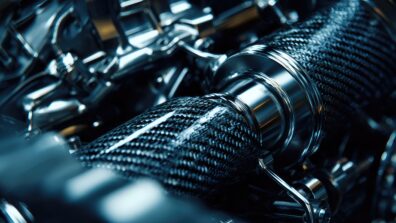
Composite materials offer significant advantages, but they aren’t always the best solution. In aerospace applications, reducing weight is often a primary objective, making composites a strong choice for components used in satellites, UAVs, and aircraft interiors. However, if a part isn’t weight sensitive or needs to withstand frequent impacts, abrasion, or field repairs, another material may deliver better long-term performance and value.
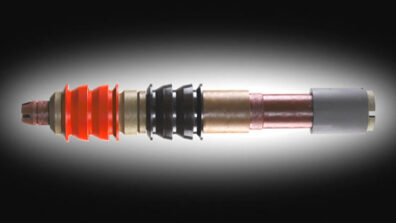
The same principle applies in energy production. Composite materials can provide excellent corrosion resistance for downhole tools and other demanding applications, but extreme temperatures, pressures, or mechanical loads may require a different approach. In some cases, a traditional plastic, metal, or hybrid design may be the better option.
Successful material selection starts with the application, not the material. Engineers must consider operating conditions, performance requirements, manufacturability, service life, and cost before determining the best solution. The right answer isn’t always a composite part it’s the material that delivers the performance the application demands.
At General Plastics & Composites (GP&C), we believe the best engineered solution begins with understanding the application. Our team combines material science expertise, precision manufacturing, and collaborative engineering to recommend the right material and process for every project. That’s how we deliver Tailored Engineered Solutions backed by Precision at Scale because the best solution is the one that performs exactly as your application demands.