Why Materials Matter More Than Ever in Energy Production
The energy industry is constantly evolving.
Wells are getting deeper. Operating conditions are becoming more demanding. Equipment is expected to last longer, perform better, and withstand environments that would have pushed previous generations of technology to their limits.
As operators look for ways to improve efficiency and maximize production, much of the conversation focuses on drilling techniques, automation, data, and new technologies.
But one critical factor often gets overlooked: materials. The reality is that even the best-designed component is only as good as the material it’s made from.
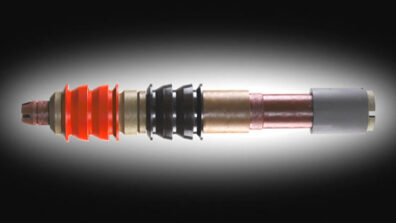
Whether it’s a frac plug, downhole tool, sealing component, or other critical piece of equipment, material performance plays a major role in determining reliability in the field. Components are routinely exposed to extreme pressures, elevated temperatures, corrosive environments, and significant mechanical stress. Under those conditions, material selection isn’t simply an engineering decision—it’s a performance decision.
As the industry continues to push the limits of what is possible, traditional assumptions about materials are being challenged.
Operators are looking for solutions that can help reduce downtime, improve reliability, simplify operations, and support more efficient well completion processes. At the same time, manufacturers are under pressure to deliver components that meet increasingly demanding performance requirements while remaining cost-effective to produce.
That’s where advanced composites have emerged as an important part of the conversation.
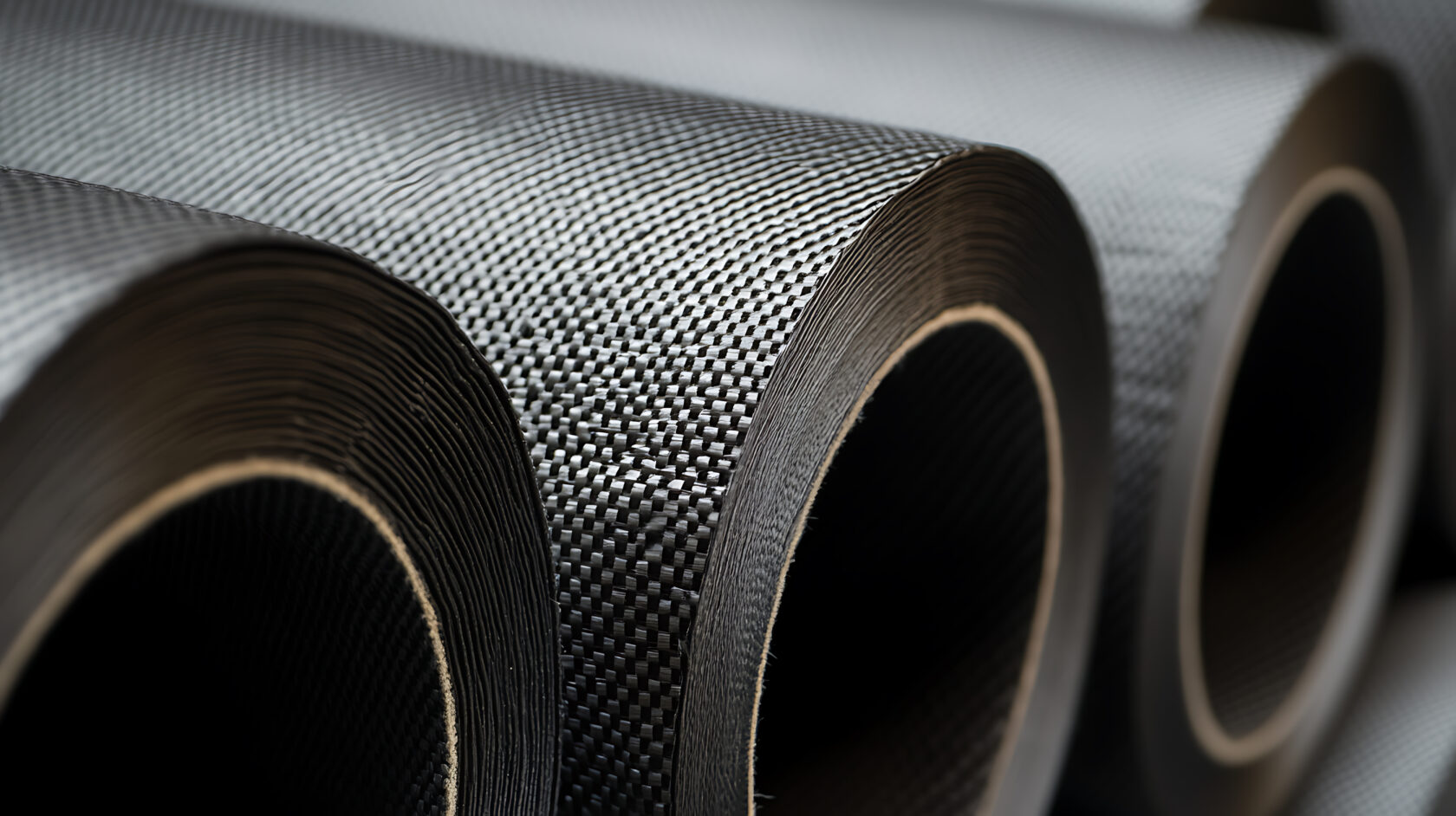
Composite materials offer unique advantages that can help address many of the challenges facing today’s energy industry. Depending on the application, they can provide strength, durability, machinability, corrosion resistance, and performance characteristics that make them well-suited for demanding downhole environments.
But selecting the right material isn’t just about choosing the strongest option available.
Successful applications require a careful balance of performance, manufacturability, consistency, and cost. Material properties must align with the realities of production and the demands of the field. The most effective solutions are often developed when engineers, manufacturers, and operators work together to understand the full scope of the application before a component ever reaches production.
As energy production continues to evolve, materials will play an increasingly important role in helping the industry meet its performance, efficiency, and reliability goals.
Because when equipment is operating thousands of feet below the surface, reliability isn’t a nice-to-have feature. It’s the expectation.
At General Plastics & Composites (GP&C), we work with manufacturers and energy industry partners to develop composite solutions designed for demanding applications. From downhole tools and frac plug components to custom-engineered composite parts, our team helps customers identify and manufacture solutions that perform reliably in challenging environments.