Ask Our Engineers: How Do You Predict When Composite Components Will Start Wearing Out?
Wear is one of the most difficult behaviors to predict in composite components.
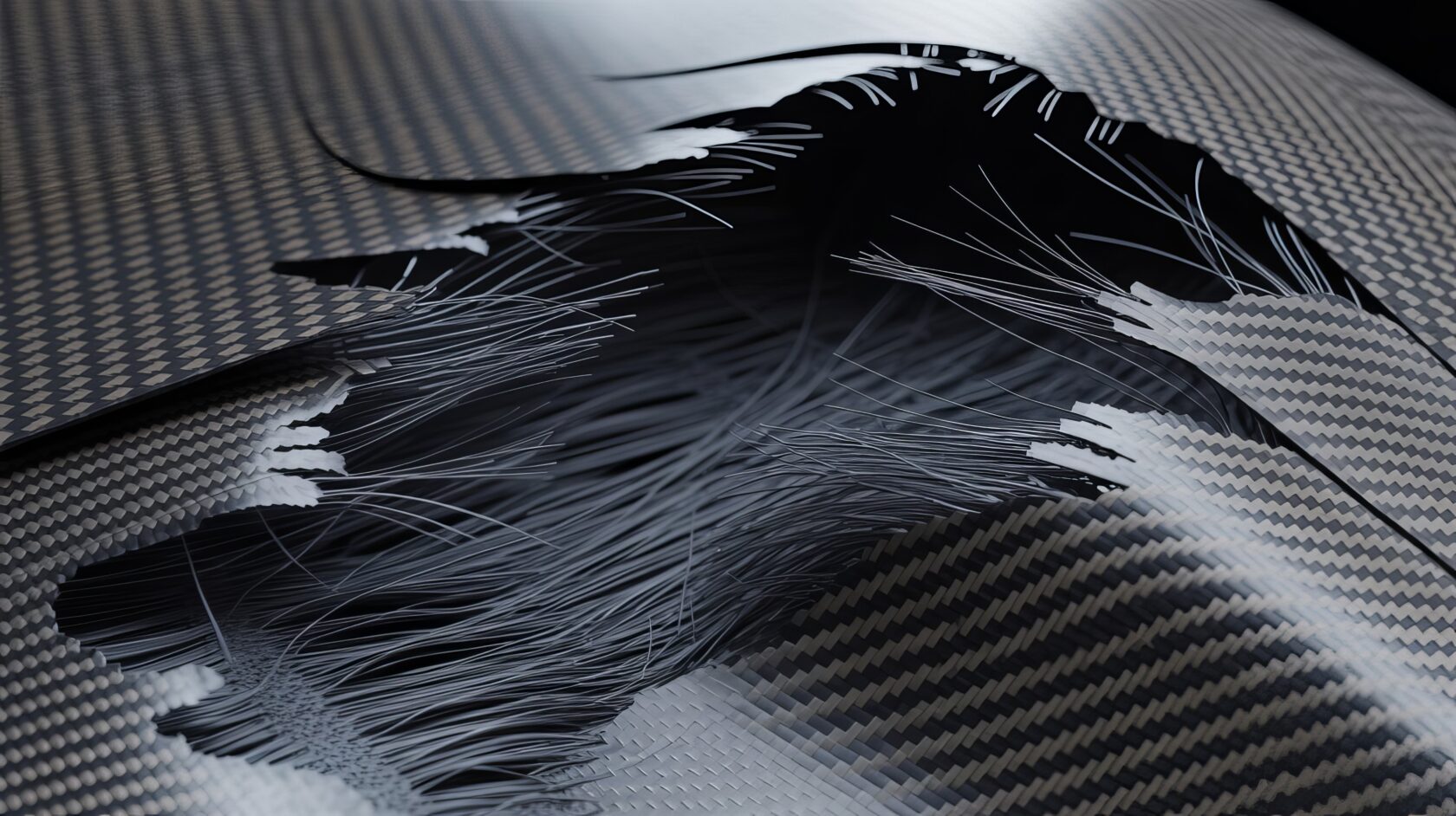
Unlike sudden structural failure, wear develops gradually. Surfaces slowly change shape as they interact with surrounding materials, debris, or moving parts.
Understanding how and when that wear begins is an important part of designing durable components.
Contact and Friction
Wear typically occurs where surfaces repeatedly interact. Contact areas that experience sliding, vibration, or debris exposure often show the earliest signs of degradation.
Even small changes in surface geometry can influence how loads transfer through the component.
Environment Accelerates Wear
Operating environments can dramatically influence wear behavior.
Sand, dust, fluids, and repeated motion all contribute to surface erosion over time. These conditions often interact in ways that are difficult to replicate during initial testing.
Learning from Real Conditions
Predicting wear often requires a combination of laboratory testing, field data, and engineering experience.
By understanding where wear is likely to occur and how it develops, engineers can adjust material selection, geometry, and reinforcement strategies to extend component life.
The engineers at General Plastics & Composites (GP&C) help teams evaluate wear risks and design composite components that perform reliably under demanding conditions.