The Small Geometry Details That Quietly Cause Composite Failure
When composite components fail, the cause is often traced to materials, loads, or environmental conditions.
In many cases, the real issue begins with geometry.
Small design details can influence how stress moves through a composite structure. These details often determine whether a part performs reliably or develops problems over time.
Sharp Transitions Create Stress
Sudden changes in thickness, tight corners, and unsupported edges can concentrate stress in specific areas of a component.
In composite materials, these localized stresses can affect fiber alignment and resin distribution, creating areas more vulnerable to fatigue or cracking.
Geometry Influences Manufacturing
Part geometry also affects how materials behave during manufacturing.
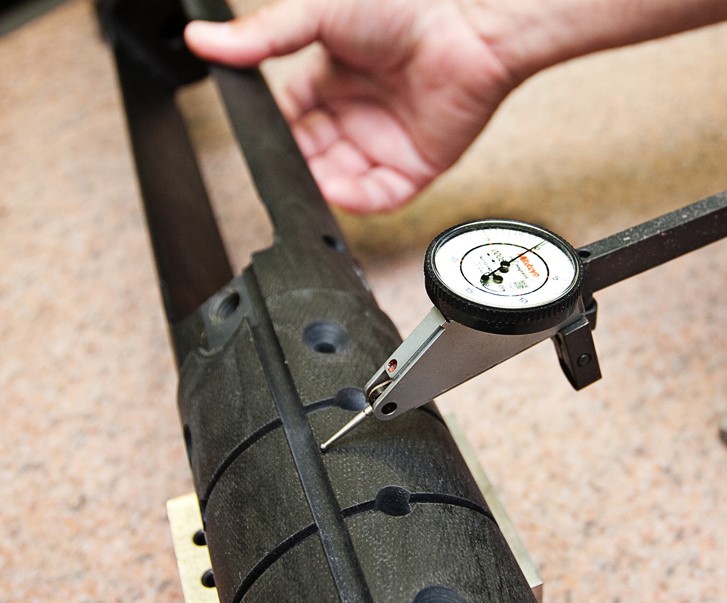
Complex shapes can influence fiber placement, resin flow, and curing behavior. Even when the material system is well selected, geometry can introduce internal stresses during the molding process.
Designing for Structural Continuity
Successful composite designs guide loads smoothly through the structure.
Gradual transitions, well-supported features, and thoughtful reinforcement placement help distribute forces more evenly across the part.
The engineers at General Plastics & Composites (GP&C) often work with teams to evaluate geometry early in the design process to avoid issues that may not appear until later in production or service.