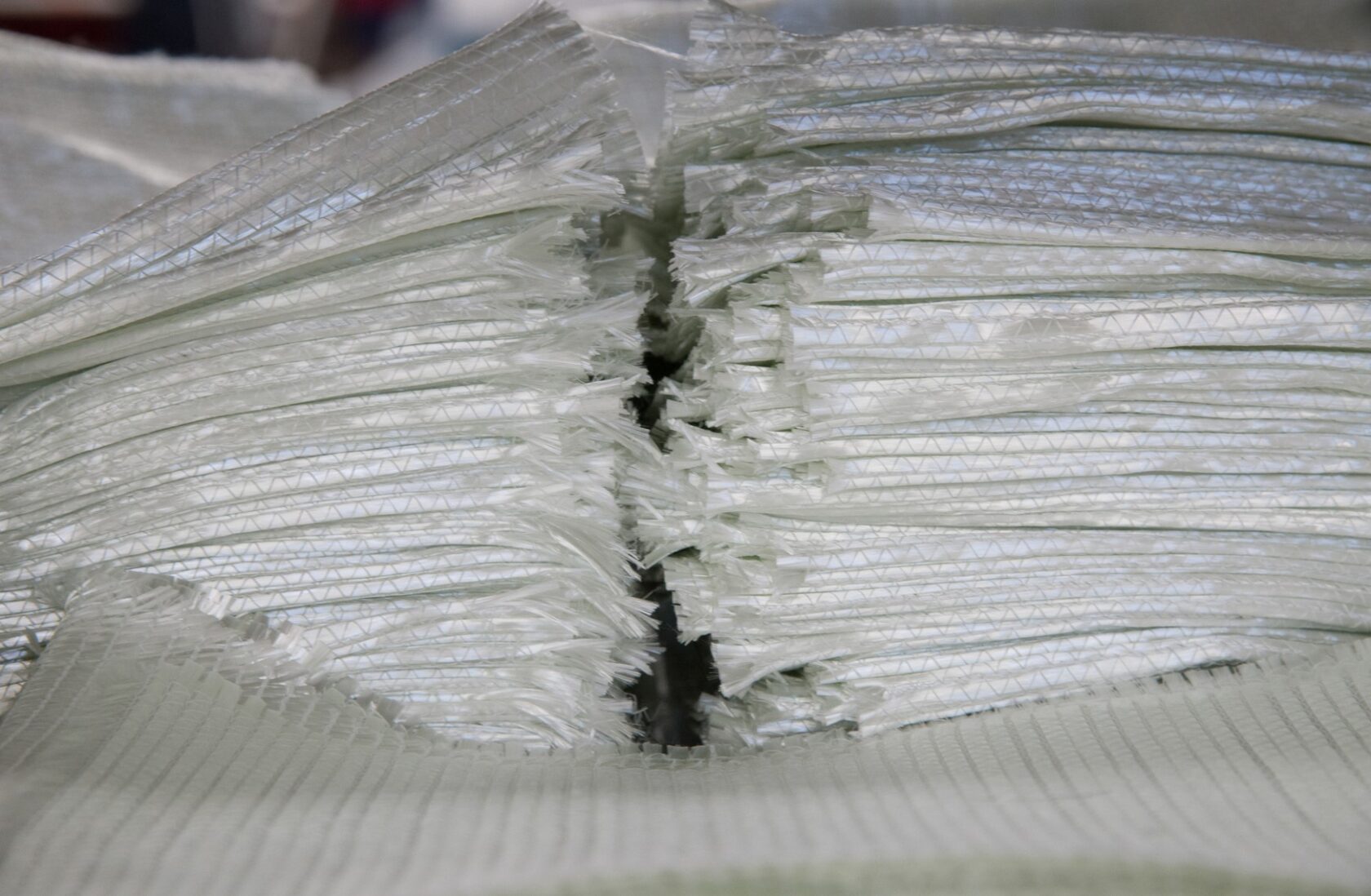
The Fiber Volume Factor: Why It Quietly Determines Composite Performance
Composite materials are often defined by the fibers they contain. Carbon fiber, glass fiber, and other reinforcements receive most of the attention when engineers evaluate performance.
But an equally important factor is how much fiber is actually present in the material.
This is known as fiber volume fraction.
Why Fiber Volume Matters
In most composite systems, fibers carry the majority of the load while the resin matrix holds them together and transfers stress between them.
As fiber content increases, stiffness and strength typically increase as well. A higher proportion of reinforcement allows the material to carry more load with less deformation.
The Balance Between Fiber and Resin
While increasing fiber content can improve mechanical properties, there is a practical balance that must be maintained.
Resin is necessary to distribute loads, protect fibers, and allow proper processing during manufacturing. Too little resin can lead to poor fiber wet-out and reduced durability.
Achieving the right balance between fiber and resin helps ensure consistent performance across production runs.
Manufacturing Consistency Is Key
Maintaining a consistent fiber volume fraction requires careful control of material placement and molding conditions.
Small variations in reinforcement distribution can influence stiffness, strength, and long-term durability. Controlling this balance is an important part of producing reliable composite components.
The engineers at General Plastics & Composites (GP&C) help teams evaluate how reinforcement strategies and manufacturing processes influence composite performance.