How Do You Know When Composite Creep Becomes a Problem?
Creep is one of the more subtle challenges engineers encounter when designing composite components.
Unlike sudden structural failure, creep happens gradually. A component under continuous load slowly changes shape over time.
In some applications, this shift is negligible. In others, it can eventually affect performance.
Why Creep Happens
Composite materials can experience small amounts of deformation when exposed to constant stress. Over long periods, this deformation can accumulate.
Temperature, load levels, and material formulation all influence how quickly creep occurs.
In environments with sustained pressure or constant load, creep becomes more important to evaluate.
When It Becomes a Design Concern
Creep typically becomes critical when dimensional stability is essential. Components that rely on precise alignment, sealing surfaces, or long-term load transfer may experience performance changes if deformation develops.
Even small dimensional shifts can affect how forces move through a system.
Evaluating Long-Term Performance
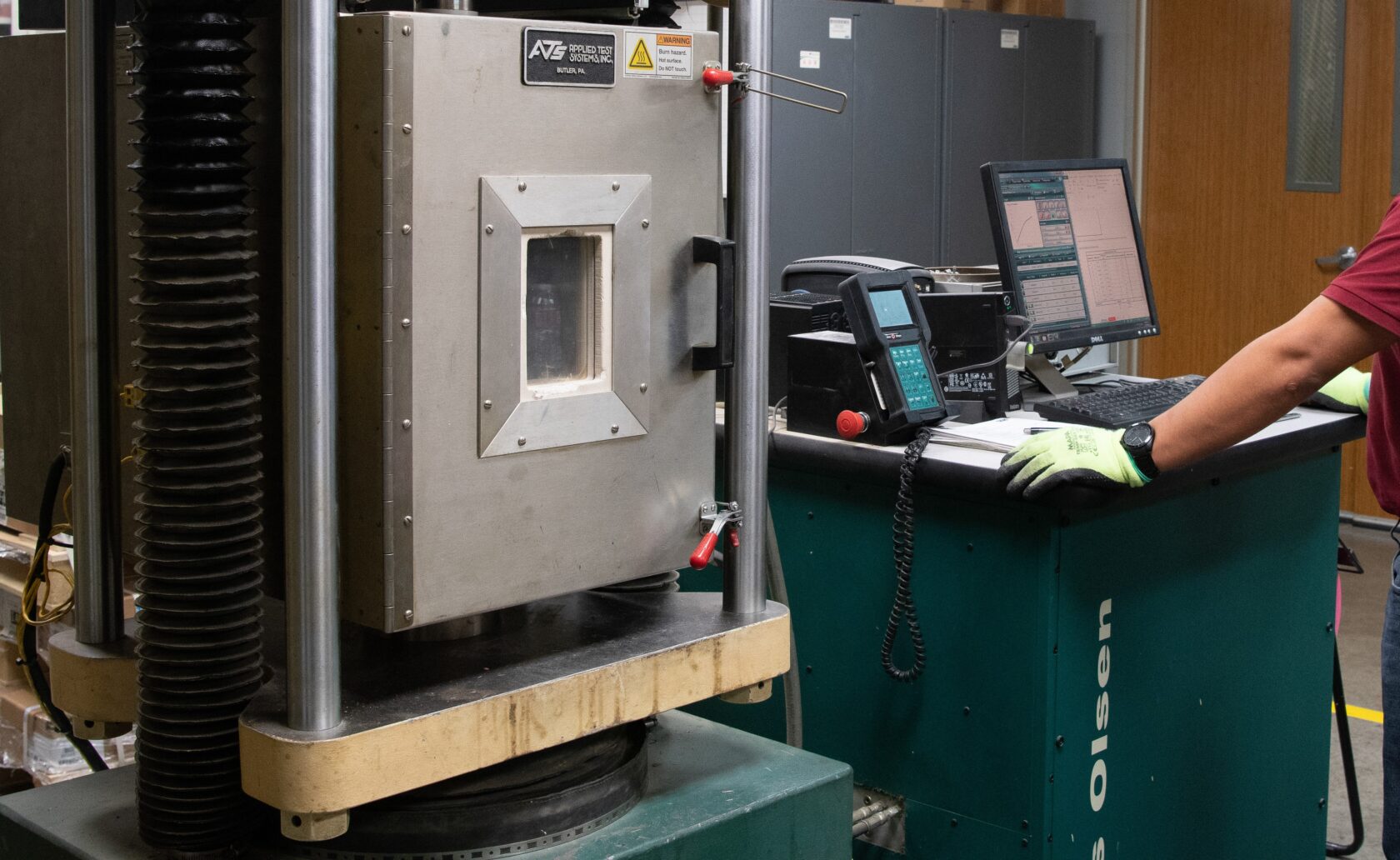
Engineers evaluate creep through material testing, load analysis, and environmental assessment. Understanding how materials behave under sustained loads allows teams to predict how components will perform over time.
The engineers at General Plastics & Composites (GP&C) help teams evaluate creep risks and design composite components that maintain stability under long-term load conditions.