Why Adding More Material Doesn’t Always Make a Composite Stronger
When a component needs to be stronger, the instinct is often simple: make it thicker.
In composite design, that approach does not always deliver the results engineers expect.
Adding material can increase weight and cost without significantly improving how the component carries load.
Strength Depends on How Loads Move
Composite materials respond differently than metals. Instead of relying solely on thickness, performance depends heavily on how loads move through the structure.
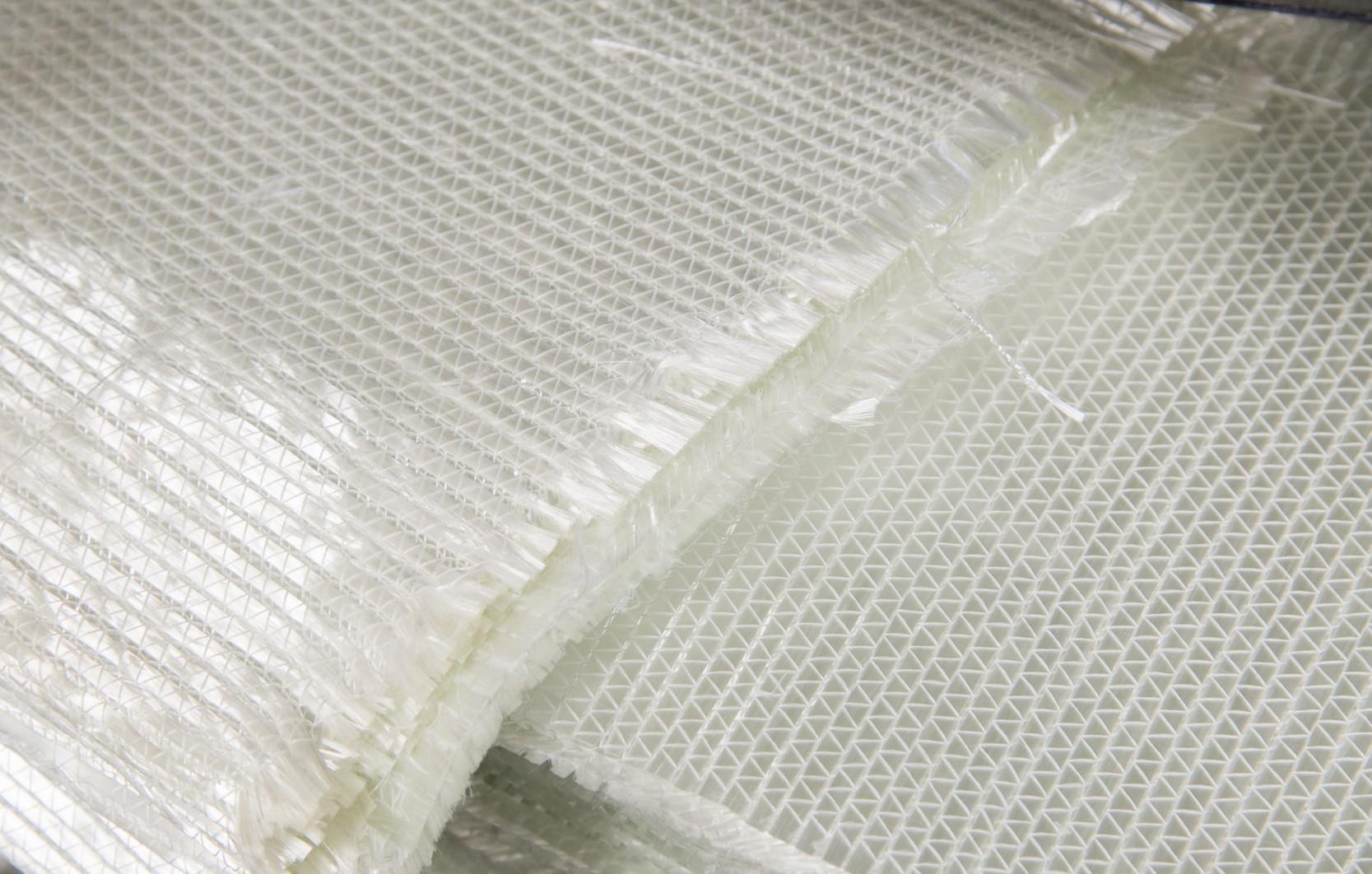
Fiber orientation, reinforcement placement, and part geometry often play a larger role in strength than simply increasing wall thickness.
More Material Can Create New Problems
Increasing thickness can introduce additional challenges. It may change curing behavior, increase internal stresses, or create areas where loads are not distributed efficiently.
In some cases, this can reduce performance rather than improve it.
Designing for Efficiency
The most effective composite designs focus on placing reinforcement where it contributes most to structural performance.
Understanding how loads travel through a component allows engineers to build strength without unnecessary material.
The engineers at General Plastics & Composites (GP&C) help teams evaluate how design choices, reinforcement strategies, and manufacturing processes influence the strength of composite components.